10 Best DSLR Cameras for Vlogging and Photography in 2026
Welcome to our comprehensive guide to the best DSLR cameras for vlogging and photography in 2026. Whether you're a professional photographer, an aspiring vlogger, or a content creator looking to upgrade your equipment, this detailed review will help you find the perfect camera to match your needs and budget.
In this guide, we've carefully tested and evaluated the top 10 DSLR cameras for vlogging and the top 10 for photography, comparing their specifications, performance, and value for money. We've also included current prices from major e-commerce platforms like Amazon and Flipkart, along with exclusive affiliate offers to help you get the best deal.
Last updated: January 2026 | Prices are automatically updated from affiliate links
Top 10 DSLR Cameras for Vlogging in 2026
Choosing the best DSLR camera for vlogging requires considering factors like autofocus performance, flip-out screens, audio quality, and portability. These cameras combine excellent video capabilities with the flexibility of interchangeable lenses.

Canon EOS 90D
Best For: Travel vlogging, YouTube content creation, beginner to intermediate vloggers

Nikon D780
Best For: Professional vlogging, film-making, low-light vlogging

Sony A7 III
Best For: Hybrid shooters, professional vloggers, low-light performance

Canon EOS 6D Mark II
Best For: Budget full-frame vlogging, travel content creators

Nikon D7500
Best For: Action vlogging, sports content, wildlife vlogging

Pentax K-1 Mark II
Best For: Adventure vlogging, outdoor content, weather-resistant needs

Canon EOS Rebel T8i
Best For: Beginner vloggers, students, budget-conscious creators

Nikon D5600
Best For: Entry-level vlogging, social media content, lightweight setup

Sony A6600
Best For: Professional vlogging, long recording sessions, battery life

Canon EOS 5D Mark IV
Best For: Professional film-making, studio vlogging, high-end production
How to Choose the Best DSLR for Vlogging
When selecting a DSLR camera for vlogging, prioritize these features: Flip-out screen for framing yourself, reliable autofocus that tracks your face, good low-light performance, external microphone input, and image stabilization. Battery life is also crucial for extended shooting sessions. Consider your budget and whether you need 4K video or if 1080p is sufficient for your needs.
Top 10 DSLR Cameras for Photography in 2026
For photography enthusiasts and professionals, the best DSLR camera for photography combines high-resolution sensors, excellent dynamic range, fast autofocus, and robust build quality. These cameras excel in various photography genres from portrait to landscape.
Canon EOS 5D Mark IV
Best For: Portrait, wedding, commercial, and landscape photography
Nikon D850
Best For: Landscape, studio, high-resolution, and commercial photography
DSLR Camera Buying Guide: Vlogging vs Photography
Understanding the differences between cameras optimized for vlogging versus those designed for photography is crucial for making the right investment. While many modern DSLRs excel at both, each has specialized features that cater to specific needs.
Vlogging-Focused Features:
- Flip-Out Screen: Essential for framing yourself while recording
- Continuous Autofocus: Keeps you in focus as you move
- Good Built-in Microphone: With external mic input for better audio
- Image Stabilization: Reduces camera shake for smoother footage
- Lightweight Design: Important for handheld vlogging sessions
Photography-Focused Features:
- High-Resolution Sensor: For detailed images and cropping flexibility
- Wide Dynamic Range: Captures details in shadows and highlights
- Fast Burst Rate: For capturing action sequences
- Advanced Autofocus System: With more points for precise focusing
- Durability: Weather-sealing for outdoor photography
Many photographers and content creators now look for hybrid cameras that perform well for both stills and video. The cameras in our 2026 list represent the best balance of these features currently available in the market.
Buying Tips For DSLR Cameras in 2026
DSLR Camera Buying Tips: 7 Tips to Buy DSLR Camera in 2026. Follow these Buying Guide For DSLR Camera in 2026. If you want to buy DSLR Camera, then before taking it, you should also consider the number and cost of useful accessories with that camera. Always keep this special thing in mind that, to take good photos, your creativity is more important than a good camera. Which DSLR camera to buy?
There are generally 3 types of DSLR cameras. The main difference between these three models is the features and the price. entry-level semi-professional professional Which DSLR would be better for you? Let’s know DSLR camera Buying Tips Below.
DSLR Camera Buying Tips: Which DSLR camera to buy?
There are generally 3 types of DSLR cameras. The main difference between these three models is the features and the price.
- Entry-level
- Semi-professional
- Professional
Which DSLR would be better for you? Let’s know.
Read Also: Amazing 6 New Way to Become Photographer
1) Entry-Level DSLR Camera Buying Tips
If you want to learn photography then Entry level camera is best for you.
These cameras are light in weight and their cost is also low.
These cameras have all the necessary features like auto mode, exposure settings, zoom, etc.
There are not many features in this camera, but the advantage of fewer features is that it is easy to learn and operate. But don’t think that the photo will be bad or the quality will not be good because of fewer features.
If you do not have basic knowledge of photography then more features can confuse you.
Most entry-level cameras also have Guide modes that show you how to use the controls and settings. By which we know how to take a particular kind of photo.
These cameras are great for travel photography because they are light and small.
Some examples of these models are – Nikon D3500, Canon EOS 800D, Nikon D5600, Canon EOS 77D, etc.
Buy Now From Below Link:

2) Semi-Professional DSLR Camera Buying Tips
Semi-professional DSLR cameras fall between the entry-level and professional categories. These cameras are also light in weight but a bit expensive in price. There are many models to choose from in this category.
Semi-professional Camera has some features of a professional camera. These are the perfect choice for upgrading beyond an entry-level camera.
Semi-professional cameras are equipped with more manual controls.
Their autofocus is faster and the exposure metering system is more accurate.
Many Creative Mode and Automated modes are available in this.
For video recording, it gets high-resolution and has facilities like installing external microphone. Some models of this category are as follows – Canon EOS 80D, Nikon 7500, Nikon Z50, Canon EOS 6D mark II etc.

3) Professional DSLR Camera Buying Tips
These professional cameras of the highest quality are very expensive and their image quality, speed, manual control, and sensitivity are excellent.
These cameras are best for sports photography, wildlife photography, journalism, professional shoots.
Their storage is also more.
These cameras are best at doing a variety of specific tasks rather than multitasking. You will have to take the same model as you need, instead of having the same camera work for taking all kinds of photos.
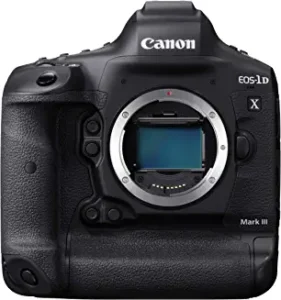
Some models of Professional DSLR cameras are – Nikon D6, Canon EOS-1D X Mark III, Canon EOS R, etc.
There are mainly 2 types of DSLR cameras based on the size of the sensor :-
1) Full-frame (FX) DSLR Camera – The sensor of these cameras is as large as 35 mm film (about 36 X 24 mm). Their photo quality is best and their price is also high.
2) Crop-sensor (DX) DSLR Camera – The sensor of these cameras is small (about 24 X 16 mm). Their photo quality is excellent. Their cost is less than that of full-frame DSLR.
DSLR camera features and accessories information.
DSLR camera Buying Tips:
1) While Point and Shoot cameras can be kept in their pocket by keeping them in their small pouches, on the other hand DSLR cameras carry some frills along with them.
2) The work of people who are interested in all types of photography does not work with only one lens.
They may have to buy multiple lenses for a specific purpose or to take better photos.
Then it becomes necessary to buy a dedicated camera lens bag to keep them.
3) Camera bag has the arrangement to keep one or more cameras/lenses, chargers, memory cards, filters, cables, flash, etc.
4) In some camera bags, you can also keep a laptop, because photography has now become very dependent on the computer.
For digital editing of photos, it becomes necessary to work on professional software, although many free software are also available on the net.
5) Amateur photographers may also feel the need to buy a mini tripod to a full-length tripod.
6) Those wishing to buy a DSLR camera must be aware that the cameras of one manufacturer do not have lenses manufactured by other manufacturers.
For example, Nikon or Sony lenses cannot be used in Canon cameras because their mount sizes are different.
I have 1 Nikon camera and 3 lenses, so while buying another camera in future I will have to choose from Nikon cameras as I already have 3 lenses.
7) There are some 3rd party lens manufacturers (Tamron, Sigma, Carl Zeiss etc.) who make lenses for all major cameras, yet it is advisable to buy lenses from the same company as the camera. .
Buying a camera from another company will make my current lenses useless. Same problem comes with battery, flash etc. This is the reason why those who buy DSLR cameras in enthusiasm, later regret their decision.
DSLR Camera Lens
DSLR Camera Buying Tips:
a) Top Cameras and lens makers make simple and high-quality models of almost the same type of lens, which have a huge difference in price.
Amazing photos shot by renowned photographers are captured by a combination of professional cameras and high quality lenses.
b) Undoubtedly very good photos can be taken by low/medium range cameras and simple lenses too, but once the feeling of not having the best camera/lens sets in, many photographers become victims of frustration.
– I am feeling that after reading all this, your confusion about buying a camera must have either decreased or increased.
It is better that you search for suitable cameras according to your requirement, skill, and budget based on the information given on this page.
# You will get a lot of help from these websites in this work because you get to read expert reviews of every new and old camera on them.
Camera reviewers rate the camera by examining all the technical aspects of the camera and by taking photos from them in different shooting conditions, which is of great benefit.
Should You Buy a DSLR Camera Online or from the Market?
DSLR Camera Buying Tips
1) It also matters a lot while buying a camera from where to buy it. You can also find cameras from company showrooms, certified dealers/sellers, and buy online on websites like Quikr or OLX.
My experience is that sometimes discounts or better deals are available on websites as compared to the company showroom or dealer.
2) My experience of buying cameras from gray-market is very good and the prices of new cameras are lowest there. If you buy the camera from the gray market, take someone knowledgeable with you and take the bill/warranty card of the camera.
3) Many people advertise their cameras for sale on websites like Quikr or OLX. Before buying the camera from them, run it well and try to take the same camera which has been bought relatively new and is in a Warranty period.
While taking the camera from anywhere, check whether all its accessories like camera case/bag, charger, memory card, cables, etc. are with you or not.
4) Sometimes all the accessories of the camera do not come with the box and are given separately. If you are buying a new camera by selling your old camera/lens, then charge a good price for it.
Keep visiting this blog regularly to get general information related to Cameras and Photography.
Thank you.